Tockor: My Life, My Time, My Rules.


Crisis of Traditional Watches

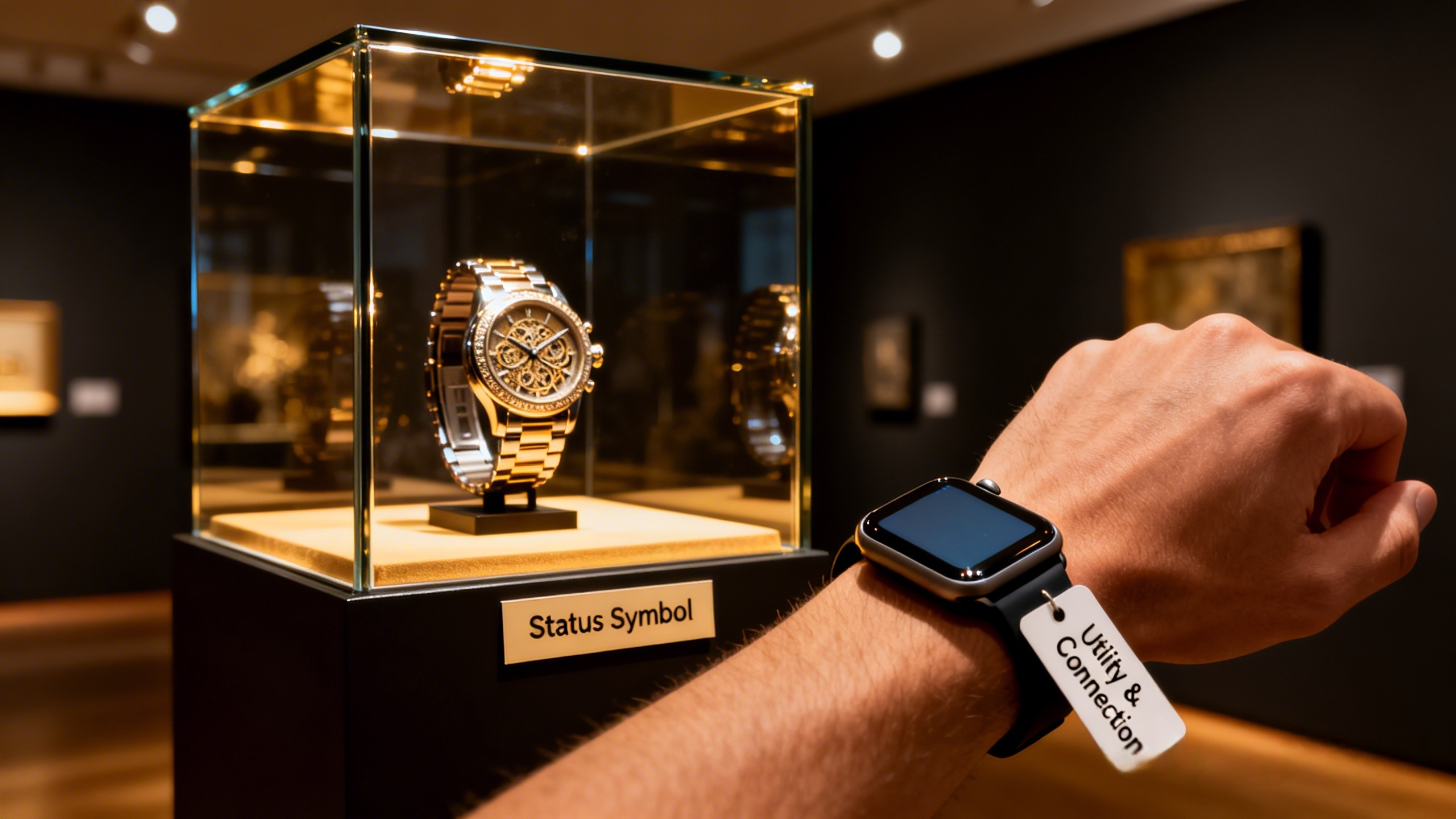
I still remember the day my grandfather gave me his old wristwatch. It felt like a rite of passage—a tangible symbol of growing up. For generations, a watch wasn’t just about telling time; it marked milestones. That first serious job interview, a graduation gift, a wedding day—these moments were often commemorated with a timepiece that would last a lifetime.

Yet walk into any café today, glance around at the wrists of people under forty, and you’ll notice something telling. While the luxury watch market continues to thrive in its own rarefied air, the everyday wristwatch is disappearing. The question isn’t whether this is happening, but why something so deeply embedded in our culture is gradually fading from daily life.
The truth is, we’re witnessing a fundamental shift—not just in technology, but in how we think about time itself.
1. The Phone in Your Pocket Killed the Timekeeper
Let’s state the obvious: your smartphone made the watch’s primary function redundant. Why wear a separate device for telling time when you’re already carrying a supercomputer that not only shows the time but can schedule your entire life? The simple act of glancing at your wrist now feels almost nostalgic—a gesture from another era when we needed dedicated objects for single purposes.
2. Smartwatches: The Upgrade Nobody Saw Coming
Then came the smartwatch, which didn’t just tell time but asked: “Why stop there?” I’ve watched friends transition from traditional watches to Apple Watches and similar devices, and they rarely go back. It’s not just about notifications—though never missing a message is powerfully convenient. It’s about having a health monitor, a payment method, and a fashion accessory all in one device. The smartwatch didn’t just tell time; it made traditional watches feel limited in comparison.

3. A Generation That Never Needed Watches
My teenage niece recently asked me why anyone would buy a watch today. “Your phone does the same thing,” she shrugged. For her generation, watches weren’t a cultural milestone—they’re an accessory, and an optional one at that. This isn’t about rejecting tradition so much as growing up in a world where the functionality of watches was already obsolete. When you’ve never needed something, its emotional weight doesn’t register in the same way.
4. The Disappearing Middle Ground
What’s particularly interesting is how polarized the market has become. On one end, luxury watches have transformed into investment pieces and status symbols—the Rolexes and Pateks of the world continue to appreciate in value and desire. On the other end, affordable fashion watches and smartwatches dominate the accessible market. The casualties are the mid-range watches that were once the default choice for professionals and graduates—too expensive to be impulsive, yet lacking the cachet of true luxury.
So Where Does This Leave Traditional Watches?
Here’s what I’ve come to realize: the traditional watch hasn’t died, but it has been reincarnated.
It’s no longer a practical tool but a statement of values. The people I know who still wear mechanical watches do so with intention. They appreciate the craftsmanship of hundreds of tiny components working in perfect harmony. They enjoy the weight of history on their wrist, connecting them to generations of watchmakers who perfected their art over centuries.
Wearing a traditional watch today is almost a rebellious act—a conscious choice to value artistry over efficiency, permanence over upgrades, and quiet elegance over constant connectivity. In a world of digital ephemerality, there’s something profoundly grounding about an object that simply does one thing beautifully, forever.
The sound of a mechanical watch may be growing fainter in our collective consciousness, but for those who choose to listen, it continues to tell the most important story of all: that some things are worth preserving, not for their utility, but for what they remind us about ourselves.
More inforamtion about Tick&Tock, please go to www.Tockor.com
